
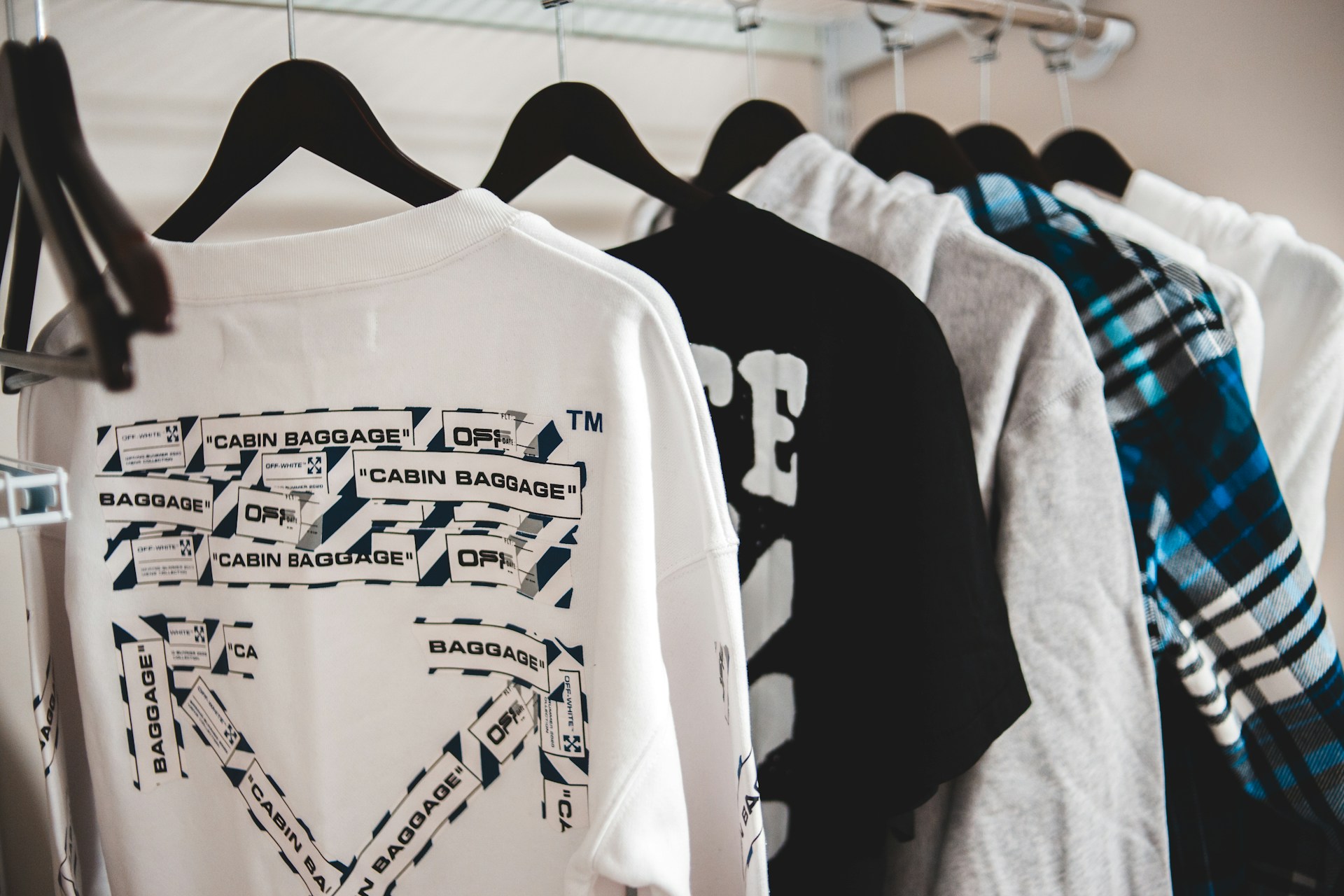
Printing can make your apparel business feel smooth or feel like a leaky bucket. Pick the wrong method, and you’ll bleed time, money, and customer trust. Pick the right one and production clicks into place like a well-oiled hinge. If you’re comparing options like custom heat transfers, it helps to think like an operator, not a hobbyist. And yes, keeping a reliable reference on transfer methods and expectations can save you from expensive trial-and-error later. So if you’re a business owner having no clue about which custom printing solution works the best for your business, read on. We’ve got some recommendations.
Start With Your Order Mix and Sales Reality
Before you talk machines, talk orders. Are you doing one-off drops, corporate uniforms, or steady reorders every month? Low and mixed volume usually hates high setup costs. High volume can justify more equipment, but only if the demand is real and repeatable. Now look at design variety. Lots of SKUs with different graphics push you away from slow manual steps. If your best sellers change weekly, flexibility matters more than bragging rights. A method that prints fast but needs constant setup can turn into a bottleneck. And a bottleneck is just a fancy word for “late shipments.”
Match Print Tech to Design Complexity and Fabric Types
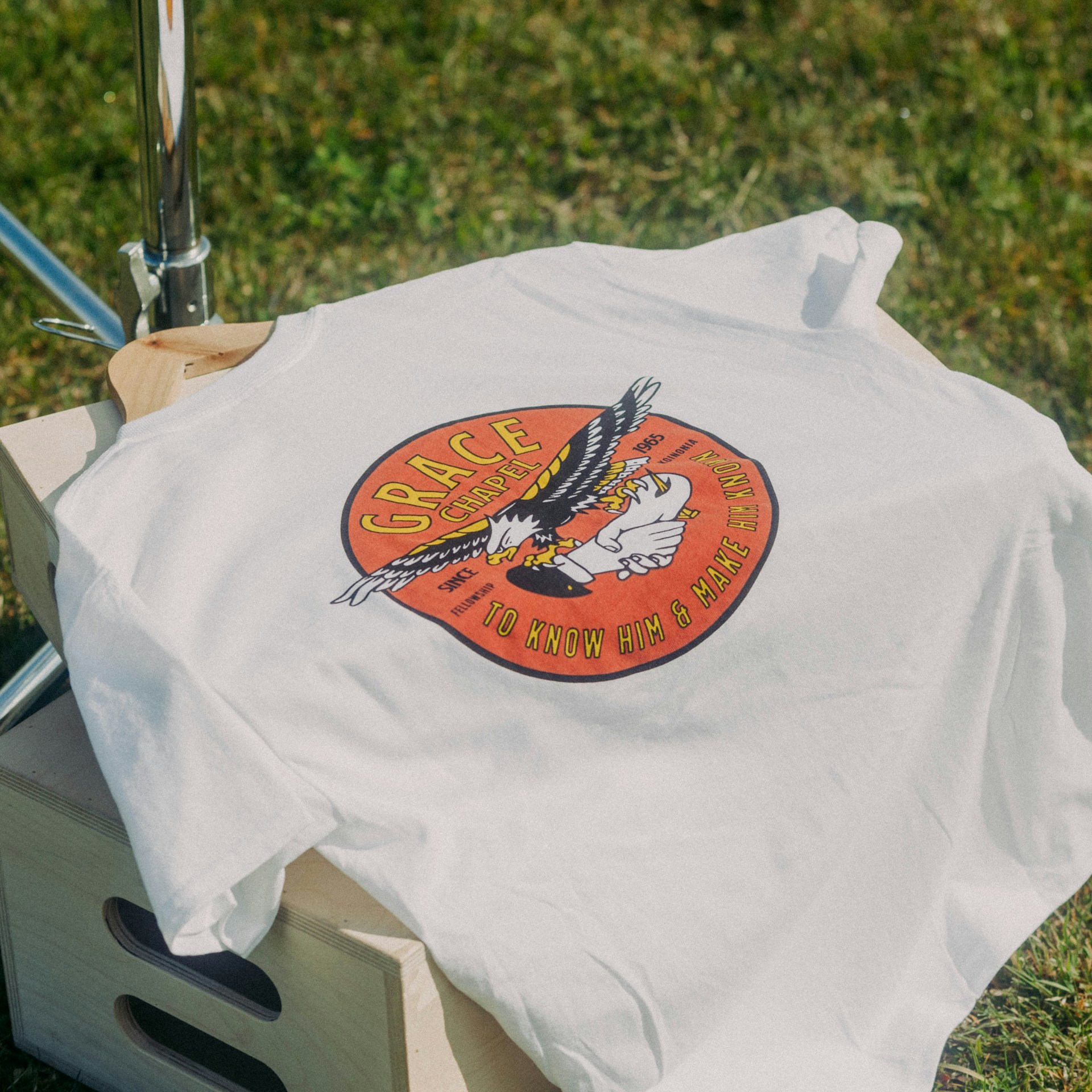
Some methods love bold logos. Others love full-colour art with gradients and tiny details. If your designs include photos, shading, and soft blends, you need a solution that can handle that without turning skin tones into orange soup. If your designs are mostly text and simple shapes, you have more choices and lower cost paths. Fabric matters too, and it is often ignored until returns show up. Cotton, poly, blends, and textured hoodies behave differently under heat and pressure. Some prints stretch nicely, and some crack when the garment flexes. If you sell athletic wear, stretch performance is not optional. Test on the real fabric, not the “close enough” sample you had lying around.
Run the Numbers Like a Shop Owner, Not a Dreamer
Cost per print is not just ink or film. It’s labour minutes, misprints, re-dos, and the time spent babysitting production. A cheaper material can become expensive when it slows you down. Ask yourself: how many hands-on steps does this method require per item? Every extra step is a chance for human error.
Quality Control and Customer Expectations
Your customer does not care what method you used. They care about wash life, feel, and colour accuracy. If prints peel or crack early, refunds will punch your margin in the face. Set standards for adhesion, stretch, and abrasion, then test them on real garments. A simple wash test beats a pretty photo every day.
How to Choose a Transfer Partner or Supply Source
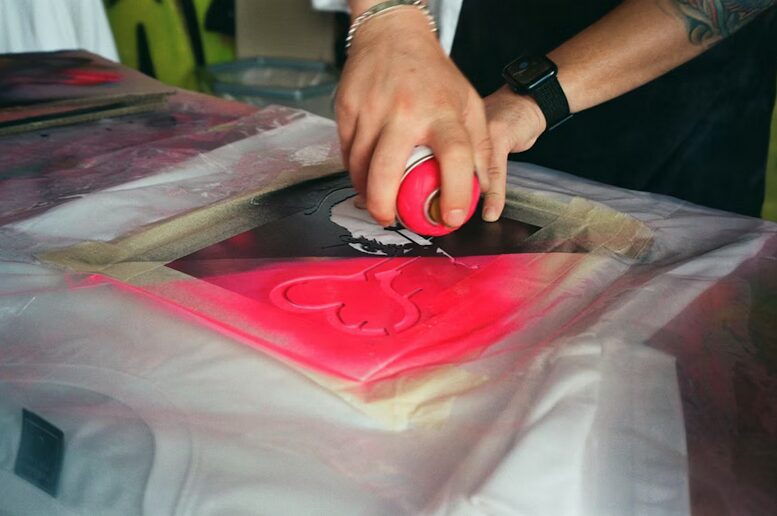
If you outsource transfers, judge the supplier like you’d judge a teammate. You need consistent colour, consistent sizing, and consistent turnaround. Ask how they handle reprints. Ask how they package transfers to avoid damage. A supplier that ships wrinkled film or inconsistent colour is a problem you inherit. Also, check how they support your workflow. Can they handle gang sheets? Do they provide clear press instructions for each transfer type? Can they scale when you get a big order without slipping deadlines? The goal is stable production, not a “good deal” that creates chaos.